China Best SPC Staircase for Global Buyers?
Choosing the best Spc Staircase from China requires more than comparing catalog prices. Global buyers need stable dimensions, reliable wear resistance, safe step design, and clear technical documents. A staircase may look attractive in a showroom. Its real performance appears after repeated foot traffic, cleaning, humidity changes, and daily edge impact.
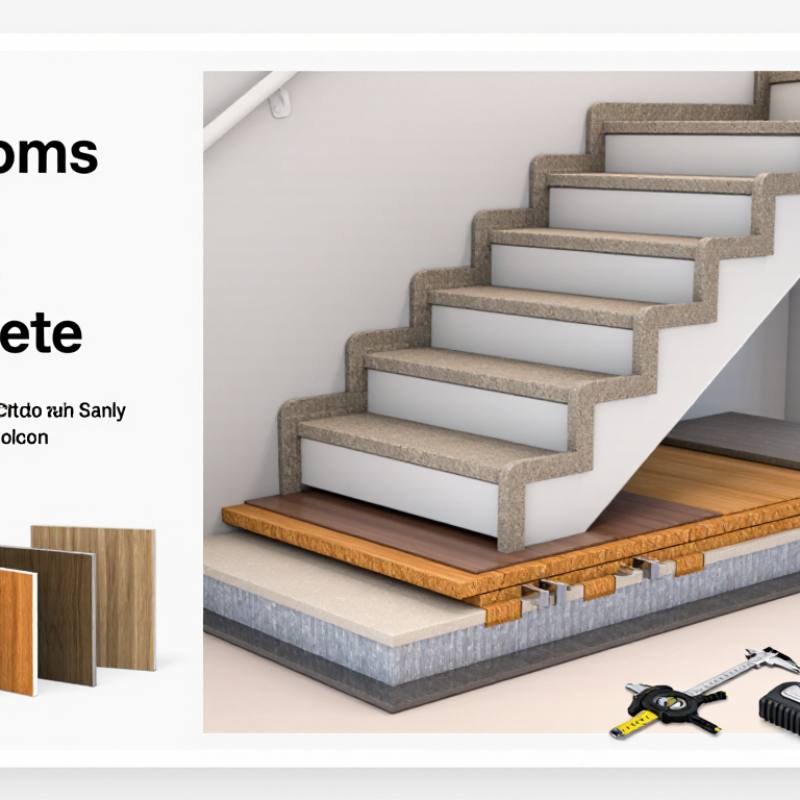
Dr. Michael Chen, an independent flooring materials engineer with experience in stair-system evaluation, says, “A staircase should be judged by its complete system, not by the surface pattern alone.” This principle matters when reviewing SPC treads, risers, nosing profiles, adhesives, and subfloor requirements. A strong supplier should provide product samples, thickness details, wear-layer information, installation guidance, and batch-control records. Buyers should also check whether the dimensions match their project drawings. Small differences can create visible gaps.
Look closely at the corners.
The best Spc Staircase is not always the thickest or cheapest option. It should fit the building’s traffic level, climate, cleaning routine, and expected service life. Waterproof claims also need careful interpretation. SPC itself may resist moisture, but joints, walls, and substrates still require proper treatment. This is where some purchasing decisions become too optimistic.
A practical evaluation includes sample installation, slip testing, color comparison under daylight, and inspection after repeated use. Certification requirements can differ between markets, so documentation should be verified independently. China offers many capable manufacturers, but quality is not automatic. Buyers must question unclear specifications, inconsistent samples, and promises without measurable evidence. Even experienced teams can miss details. That is worth remembering before placing a large order.
China Best SPC Staircase for Global Buyers?
What Makes China’s SPC Staircases Suitable for Global Buyers?
China’s SPC staircases suit global buyers because they combine stable supply, flexible design, and practical performance. Grand View Research valued the global SPC flooring market at about USD 4.43 billion in 2023. It also forecasts a 7.8% annual growth rate through 2030. This growth reflects demand for water-resistant, low-maintenance surfaces. SPC cores use stone powder and polymer materials. They resist everyday moisture better than many wood-based alternatives. However, performance depends heavily on the backing layer, stair nosing, and installation quality.
Experienced project teams usually request test reports before approving samples. Useful evidence includes slip resistance, dimensional stability, wear resistance, and formaldehyde emissions. International buyers can also specify surface textures, tread dimensions, colors, and packing methods. China’s manufacturing network supports small design adjustments and repeat production. That flexibility matters for residential towers, hotels, and renovation projects. Still, “waterproof” does not mean every staircase is risk-free. Poor substrate preparation can create movement, gaps, or noisy steps. This point is often underestimated.
Tips: Ask for batch samples, not only showroom pieces. Confirm tolerance ranges in writing. Check whether the nosing matches local safety requirements. The ISO 10874 classification system can help compare flooring use categories, but it does not replace project-specific testing. A lower price may look attractive. Yet inconsistent dimensions can increase installation labor and waste. Good sourcing requires both data and careful site review.
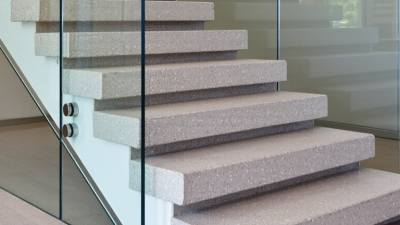
For staircase projects, a 4–6 mm SPC core offers a practical balance between rigidity and installation weight. Thicker cores usually resist bending better over firm, level steps. However, thickness alone is not a guarantee. That assumption deserves a second look. Uneven substrates can create hollow spots, movement, and joint stress, even with a 6 mm product. On busy stairs, accurate cutting and secure nosing details matter as much as the core.
The 0.3–0.7 mm wear layer affects surface resistance. A 0.3 mm layer may suit lighter residential traffic with careful maintenance. A 0.5 mm layer is a safer middle choice for active homes and small commercial areas. For heavy footfall, 0.7 mm provides more protection against scuffs and repeated abrasion. It will not prevent every scratch. Grit remains a problem. Moisture around step edges also deserves attention, because water can weaken poorly sealed joints.
Tips: Request wear-layer test data, core thickness records, and dimensional inspection results. Check stair nosing compatibility before ordering. Use a moisture-controlled, level substrate. Press each tread firmly during installation, especially near the front edge. Leave no unsupported corners. A sample stair mock-up can reveal flexing, noise, or slipping issues before full production. Some specifications look excellent on paper but perform differently on real steps.
For global buyers, a China-made SPC staircase should be judged by verified safety data, not attractive samples alone. The key question is whether the finished stair system has passed recognized tests. Test reports should identify the product structure, surface finish, laboratory, date, and test conditions.
EN 13893 measures the dynamic coefficient of friction for resilient floor coverings. A result of μ ≥ 0.30 is commonly used as a basic dry-slip reference. However, stairs experience edge pressure, dust, and wet footwear. One clean laboratory result cannot represent every site. I would request testing on the actual tread surface, including its wear layer and texture.
DIN 51130 uses a ramp with oil and safety footwear, producing R ratings such as R9 to R13. Higher ratings indicate stronger tested slip resistance, but the method does not fully represent barefoot or household conditions. That detail is easy to miss. EN 13501-1 evaluates reaction to fire, with classifications from A1 to F, plus smoke and flaming-droplet ratings. Buyers should check the complete classification, such as B-s1,d0, rather than quoting only “fire tested.” Reports from an ISO/IEC 17025-accredited laboratory offer stronger confidence. Still, installation materials, adhesive, nosing, and underlay can change performance. A certificate is not a magic shield. I would also inspect production samples and ask whether the tested specification matches the shipment.
Practical safety-verification matrix for SPC stair treads, stair nosings, and related floor-covering components intended for international projects.
| Safety Dimension | Relevant Standard | What the Test Measures | Key Test Output | Common Result or Classification | What Global Buyers Should Request |
|---|---|---|---|---|---|
| Slip resistance on a dry surface | EN 13893 | Measures the dynamic coefficient of friction of resilient, laminate, and textile floor coverings on a dry test surface. | Dynamic coefficient of friction, commonly reported as μ. |
DS: μ ≥ 0.30 The DS designation is commonly used for flooring with a dynamic coefficient of friction of at least 0.30 under the standard test conditions. |
Ask for the complete laboratory report, including the tested surface, conditioning, specimen orientation, measured μ value, product construction, and test date. |
| Ramp slip resistance with safety footwear | DIN 51130 | Evaluates slip resistance while a test person wearing standardized safety footwear walks on an inclined ramp contaminated with motor oil. | Critical angle of inclination and the corresponding R classification. |
R9: >6° to 10° R10: >10° to 19° R11: >19° to 27° R12: >27° to 35° R13: >35° |
Confirm that the report states DIN 51130, the exact R class, contamination medium, footwear type, specimen preparation, and whether the tested surface represents the finished stair surface. |
| Reaction to fire | EN 13501-1 | Classifies the reaction-to-fire performance of construction products and building elements, including applicable floor-covering products. | Main fire class from A1 to F, with additional smoke and flaming-droplet classifications where applicable. |
Flooring classifications commonly use the fl suffix, such as A2fl-s1, Bfl-s1, or Cfl-s1. Smoke classes: s1, s2, or s3. Flaming droplets: d0, d1, or d2, when applicable. |
Request the classification report and confirm the tested product build-up, including wear layer, SPC core, backing, adhesive, underlay, and any stair nosing or edge profile. |
| Dimensional and installation relevance | Project specification and applicable product standards | Checks whether the tested specimen reflects the actual stair system, including thickness, locking or adhesive method, substrate, joints, nosing, and installation orientation. | Product configuration, specimen description, installation method, and conditioning details. | No universal EN 13893, DIN 51130, or EN 13501-1 result can automatically validate every installation configuration. | Compare the laboratory specimen with the supplied staircase assembly. A report for a flat plank may not represent a profiled stair tread, exposed nosing, wet area, or installed system. |
| Wet-use and contamination risk | Project-specific risk assessment | Considers water, oil, dust, cleaning chemicals, footwear, drainage, stair pitch, lighting, and maintenance conditions. | Test conditions and risk controls rather than one universal product grade. | DIN 51130 uses oil contamination and safety footwear; it does not represent every wet or pedestrian condition. | For entrances, kitchens, industrial areas, or wet rooms, request additional project-specific wet-slip evidence and define cleaning and maintenance requirements. |
| Traceability and conformity evidence | Laboratory documentation and technical file | Verifies that the report can be linked to the actual product supplied for the project. | Sample identification, manufacturer reference, batch or production information, laboratory accreditation details, and report number. | A credible report should identify the tested specimen and clearly state the standard and edition used. | Request an unedited report, product data sheet, installation instructions, technical drawings, declaration documents where applicable, and batch-level traceability. |
| Important purchasing note: EN 13893, DIN 51130, and EN 13501-1 assess different safety properties. None of these tests alone proves that an SPC staircase is safe for every building, climate, footwear type, wet condition, or installation method. Final acceptance should be based on the destination country's building regulations, the project risk assessment, the complete installed assembly, and reports from a competent laboratory. | |||||
Recommended buyer checklist: Verify the exact product construction, stair-nosing design, installation method, tested specimen dimensions, report validity, applicable classification suffixes, and compatibility with local fire and slip-resistance requirements before placing a large international order.
For global buyers, SPC staircase quality starts with evidence, not attractive catalog images. In my sourcing checks, an ISO 9001 certificate is only the opening question. Buyers should confirm its scope, issuing body, validity, and production address. Ask for controlled drawings, material records, welding procedures, and inspection reports. Good suppliers can explain how nonconforming parts are isolated and corrected. That explanation matters. It shows a working system, rather than paperwork prepared for a visit.
MOQ often reflects machine setup, packaging, and custom engineering. A supplier quoting 10 units may charge more for small batches. Another may accept five units but use less stable subcontracting. Request an MOQ sheet with product assumptions clearly stated. Confirm whether the quantity applies per model, finish, color, or shipment. For a first order, a paid pilot batch can test dimensions, surface treatment, packing, and installation instructions. It is not a perfect guarantee. Human mistakes still occur.
Lead times should be divided into drawing approval, material purchasing, fabrication, inspection, and dispatch. Ask for dates, not vague promises. A reliable factory shares a production schedule and reports delays before the shipping week. Buyers should check whether key materials are stocked or ordered after payment. During one review, a supplier met fabrication dates but lost time during export packing. That gap changed the real lead time. Build a buffer. Still, excessive promises deserve questions. Compare records from recent orders, not only one successful shipment.
China Best SPC Staircase for Global Buyers?
Price should be compared as landed cost, not factory quotation alone. Add stair treads, nosing profiles, cartons, pallets, inland transport, and destination charges. A cheaper offer may require custom tooling or thicker protective packaging. Ask for a line-by-line quotation. Keep quantities and currency consistent.
Warranty terms deserve close reading. Check the covered period, installation conditions, color tolerance, wear limits, and claim procedure. Ask whether replacement pieces include freight. Request a written remedy, such as replacement material or credit. A warranty without batch records is weak. Keep photos, invoices, and installation reports. Real projects rarely stay perfect. Site cutting, moisture, and uneven substrates can complicate claims.
VOC evidence should come from recent laboratory reports, not marketing language. Request TVOC and formaldehyde results, test methods, sample dates, and product codes. Confirm the tested staircase matches the supplied construction and adhesive system. Export compliance also needs practical checking. Review product labels, packing lists, certificates of origin, safety documents, and destination-country requirements. Verify dimensions and weights before booking freight. Small document errors can delay customs clearance. I would also audit factory quality records and inspect a production sample. The sample may look excellent, yet color or locking accuracy can vary between batches. That risk deserves a written control plan.