What is Rigid Core SPC Floor and How Does it Benefit Your Home?
Rigid Core SPC flooring is transforming modern home design. This innovative flooring option combines durability with aesthetic appeal. According to a recent report by the Freedonia Group, the demand for SPC flooring has surged over 20% in the past few years. Homeowners seek not only beauty but also functionality in their flooring choices.
This flooring type offers waterproof features, making it ideal for high-traffic and moisture-prone areas. It consists of a stone plastic composite core that enhances stability and comfort. Many manufacturers report that Rigid Core SPC Floor can withstand heavy foot traffic without showing significant wear. This makes it a wise investment for busy households.
While the advantages are clear, some consumers still question its environmental impact. Transparency in sourcing materials is essential as the industry evolves. Homeowners must consider both performance and sustainability when choosing flooring. Rigid Core SPC Floor represents a blend of style and longevity, but it also invites reflection on responsible consumption in home improvement.
What is Rigid Core SPC Flooring and Its Composition
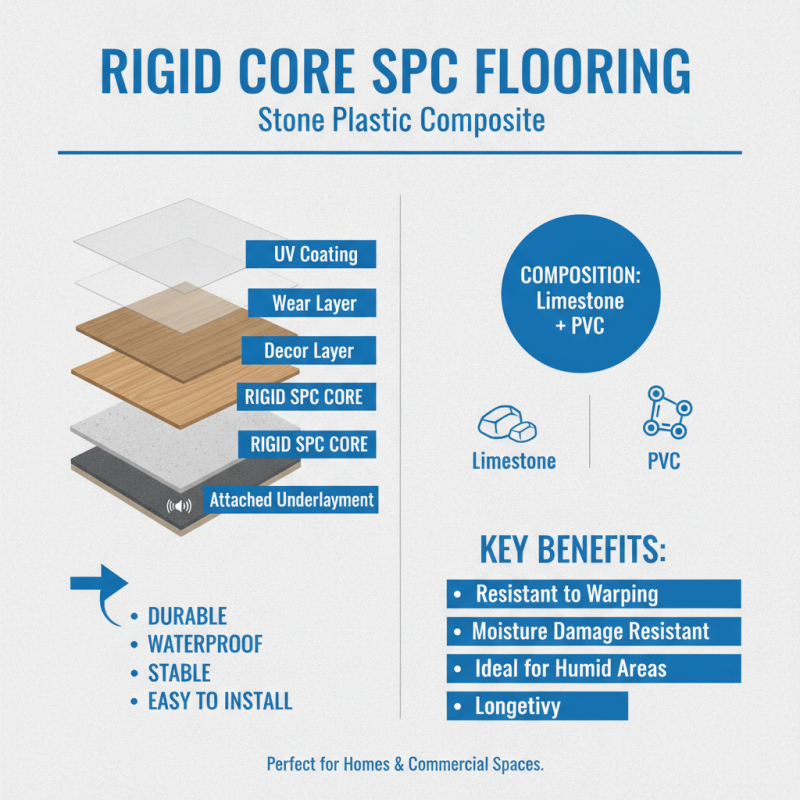
Rigid Core SPC flooring has gained popularity due to its unique composition. It stands for Stone Plastic Composite, a blend of limestone and PVC. This combination offers both durability and flexibility. The core layer is highly stable, making it resistant to warping and moisture damage. It’s perfect for homes in humid areas.
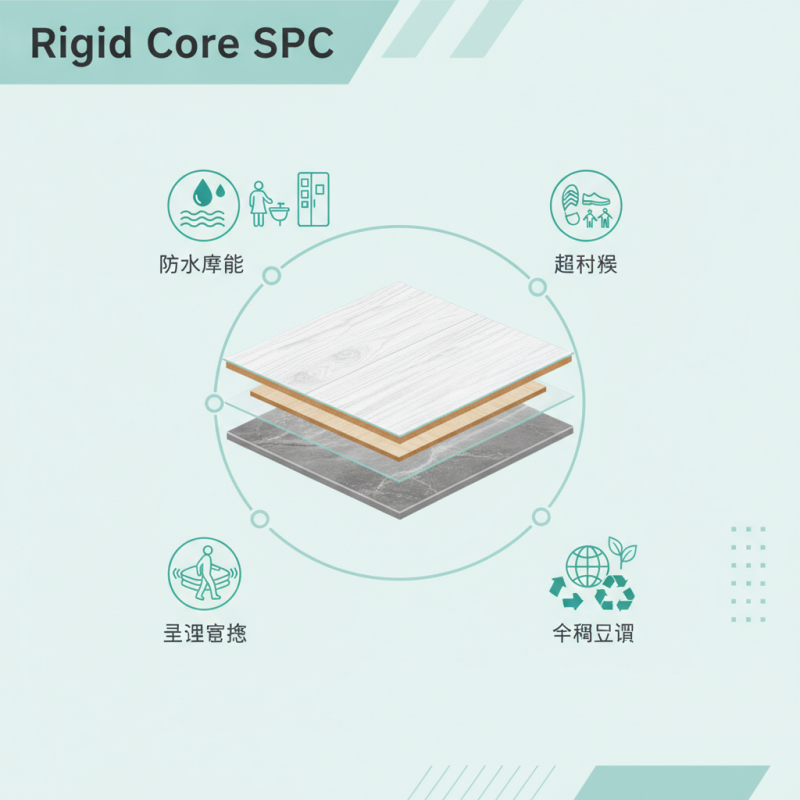
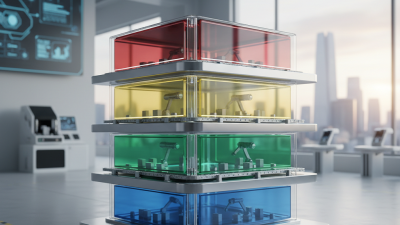
This flooring type features a layered structure. The top layer is a wear layer that protects against scratches and stains. Below, the design layer mimics the look of hardwood or stone, providing aesthetic appeal. The rigid core allows for easy installation, often without the need for glue or nails. Many homeowners appreciate its simple, click-lock system.
However, not all aspects are flawless. Some users might find it feels too rigid underfoot. Others may miss the warmth of natural wood. The installation process, while straightforward, can still pose challenges for novices. Consider these factors when determining if Rigid Core SPC is right for your space. Its advantages come with a few trade-offs that warrant reflection.
Key Features of Rigid Core SPC Flooring
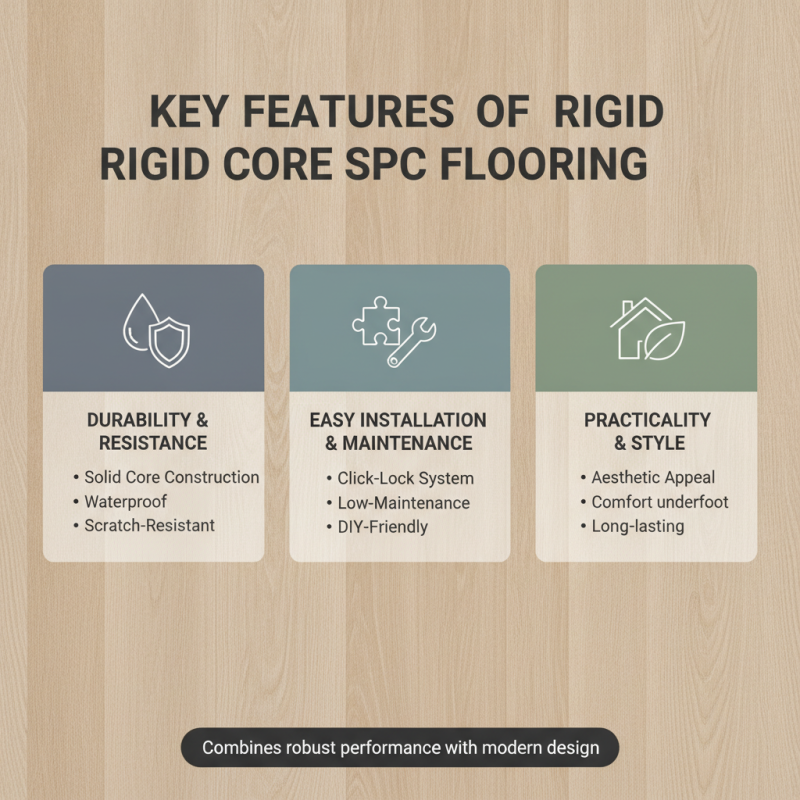
Rigid core SPC flooring is designed to provide durability and style. It combines a solid core with a vinyl top, making it resistant to water and scratches. This flooring option is easy to install and maintain, making it suitable for homeowners seeking practicality along with aesthetics.
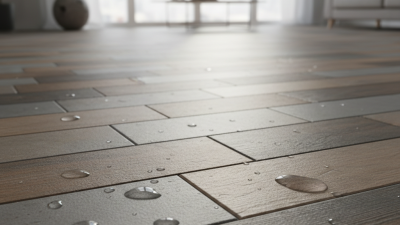
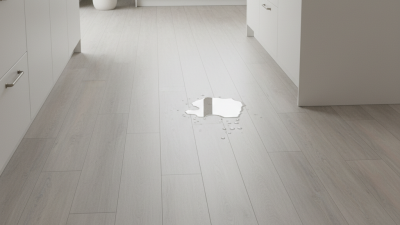
A standout feature of rigid core SPC flooring is its waterproof nature. This makes it ideal for kitchens and bathrooms. Unlike traditional wood, it won’t warp or swell when exposed to moisture. Additionally, its sound-absorbing qualities help reduce noise, creating a more peaceful environment.
Tips for installation include ensuring your subfloor is clean and level. This prepares the surface for a secure fit. Allow the planks to acclimate to the room temperature for 48 hours before installation. This can prevent expansion and contraction issues later. Also, use a quality underlayment for added comfort and sound insulation.
Benefits of Using Rigid Core SPC Flooring in Your Home
Rigid core SPC flooring stands out due to its unique construction and durability. Made with a limestone composite core, it offers remarkable stability compared to traditional vinyl planks. This makes it an ideal choice for homes with pets or children. According to industry reports, SPC flooring can withstand high foot traffic and resist scratches better than many alternatives. This durability ensures a long-lasting finish in any space.
The waterproof nature of SPC flooring is another significant benefit. Homeowners can install it in areas prone to moisture, like kitchens and bathrooms, without fear of damage. A study by the National Wood Flooring Association indicates homes with waterproof flooring typically see better performance over time. Additionally, the ease of installation reduces renovation time. Many homeowners appreciate the click-lock system that allows for quick and seamless installation without specialized tools.
However, some critiques suggest that SPC flooring may not provide the same warmth or aesthetic of natural wood. It can also feel harder underfoot, which might be uncomfortable for some. Potential buyers should weigh these factors against the benefits. Rigid core SPC flooring presents a practical option, but discerning homeowners might find value in exploring a range of choices before deciding.
Installation Process for Rigid Core SPC Flooring
The installation of Rigid Core SPC (Stone Plastic Composite) flooring can seem daunting. However, breaking it down into manageable steps makes the process straightforward. Begin by preparing your subfloor. It should be clean, dry, and level. Any imperfections in the subfloor will affect the final appearance of your flooring.
Next, acclimate the SPC planks before installation. Place them in the room for at least 48 hours to adjust to the temperature and humidity. This step is crucial, as it minimizes expansion and contraction issues later. Once acclimated, you can lay down underlayment, providing sound absorption and cushioning.
When laying the planks, start from one corner of the room and work your way across. It’s essential to stagger the seams of the planks for better stability. Many people overlook this detail, leading to weak points in the flooring. Ensure to use spacers against the walls to allow for expansion. Finally, secure the planks according to the manufacturer's guidelines. Ensuring everything is aligned and locked will prevent future issues. Pay attention to the edges, as gaps can attract dirt and moisture.
Benefits of Rigid Core SPC Flooring for Your Home
Comparing Rigid Core SPC Flooring to Other Flooring Options
Rigid Core SPC flooring stands out among various flooring choices due to its unique combination of strength and comfort. Unlike traditional hardwood, SPC is waterproof and more resistant to scratches. It is composed of a stone-plastic composite core, making it stable and durable. This feature is especially important in high-traffic areas or homes with pets and kids.
When comparing SPC to luxury vinyl tile (LVT), the differences become clear. SPC offers superior stability, reducing the risk of expansion and contraction. It mimics the appearance of natural materials, yet you don't have to sacrifice durability. Additionally, installation is often easier and faster due to its click-lock design. However, some may find the feel of SPC less warm compared to carpet or softwood.
Concrete or tile might seem appealing due to their durability, but they often lack the comfort SPC provides underfoot. The right choice depends on personal preference and lifestyle needs. Each flooring option has its pros and cons, requiring careful consideration before making a decision. Reflecting on your use of space can guide you in finding the ideal flooring solution.




 Send Email
 whatsapp
 Whatsapp