INQUIRY
Leave Your Message

How to Choose the Best Four Layer SPC Structure?

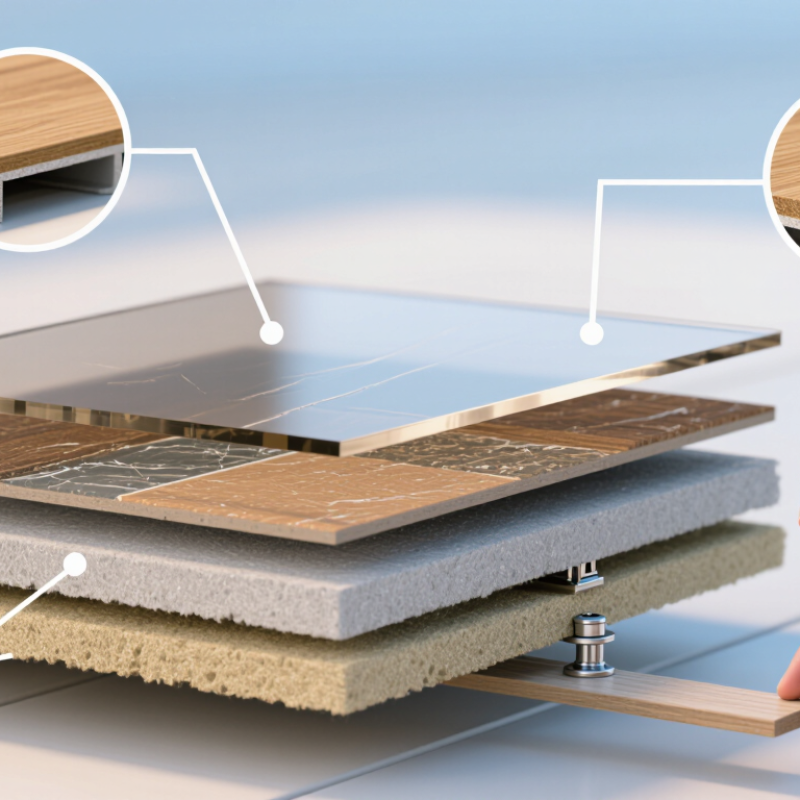
Choosing the best Four - Layer SPC Structure starts with understanding what each layer does beneath your feet. A typical build combines a transparent wear layer, a printed decor film, a rigid SPC core, and an attached backing. Together, they affect scratch resistance, appearance, dimensional stability, and underfoot feel. Layer labels alone do not tell the whole story. Check thickness, materials, and the manufacturer’s technical sheet.

Flooring specialist Alex Morgan puts it this way: “A good SPC floor is not just four layers; it is four layers working as one.” Treat that as a practical selection principle, not a substitute for product testing. Compare wear-layer thickness and surface texture, then inspect the core’s density and the backing’s material. Ask whether the stated construction matches the actual sample. Small differences matter.

Look closely. Feel the edge. Check the click joint. A showroom plank may feel firm, while a large installed area can reveal hollow spots or uneven transitions. Confirm that the floor suits the room’s subfloor, moisture conditions, and expected foot traffic. Request clear warranty terms and installation guidance, too. One detail is easy to miss: attached backing can change sound and comfort, but it cannot correct a poorly prepared subfloor. That sounds obvious. It is often overlooked. Use this guide to compare structure, performance, and practical fit before choosing; the thickest or most heavily marketed option is not automatically the best one.
How to Choose the Best Four Layer SPC Structure?

Define the Four SPC Layers: UV Coating, Wear Layer, Décor Film, and Core

A four-layer SPC floor works as a system, not four unrelated sheets. The UV coating helps resist stains and surface scuffs; the transparent wear layer takes most daily abrasion. Beneath it, the décor film supplies the wood or stone image, while the rigid stone-plastic composite core supports the plank and helps limit movement. ASTM F3261 sets performance requirements for modular resilient flooring, but a standard alone cannot tell you how a specific product will feel underfoot.

Wear-layer thickness is often listed in mils, so compare like units and check the manufacturer’s test results. A thicker layer may suit busy hallways, but installation quality and finish also matter. Grand View Research estimated the global luxury vinyl tile market at about USD 25.1 billion in 2023 and projected 5.2% annual growth through 2030. That market figure signals demand; it does not prove that one layer design lasts longer. Small but important distinction.

Tips: Ask for wear-layer thickness, abrasion-test results, and the exact core specification. Inspect a sample under angled light: a printed grain can look convincing, yet seams and surface texture may tell another story. No layer is perfect. Check whether the stated warranty matches your room’s traffic and cleaning routine.

Choose a 0.3–0.7 mm Wear Layer for Residential or Commercial Traffic

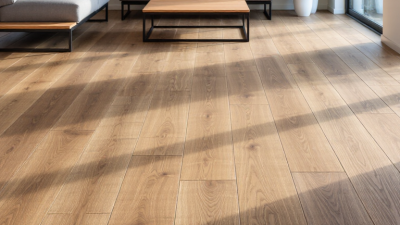
A four-layer SPC floor may use a transparent wear layer to resist scuffs, but thickness should match the room’s traffic. A practical industry rule of thumb is 0.3 mm (about 12 mil) for many homes, 0.5 mm (20 mil) for busier homes or light commercial spaces, and 0.7 mm (28 mil) for heavier commercial use. These are selection guides, not guaranteed service-life ratings. ASTM F3261, the standard specification for rigid-core resilient flooring, evaluates product performance; it does not make wear-layer thickness a universal traffic-class rating. That distinction matters.

Look beyond the number. ASTM F410 describes abrasion-resistance testing for resilient floor coverings, while actual results depend on the full product construction and test conditions. In a hallway, tracked-in grit can act like sandpaper; in a shop, rolling chairs and frequent cleaning add different stresses. Check the technical sheet for test results, finish details, and warranty limits, then compare products tested under the same method. For a typical living room, 0.3 mm may be adequate. Busy entryways may justify 0.5 mm or more. Still, check the details. Thicker is not automatically better if the subfloor is uneven or maintenance is poor. I would avoid choosing on thickness alone; that shortcut is tempting, but incomplete.

Specify UV Coatings with 8,000+ Wear-Resistance Test Cycles

For a four-layer SPC floor, treat the UV coating as a measured performance layer, not a marketing flourish. Specify a minimum of 8,000 wear-test cycles, then ask for the full laboratory report. ASTM F410 and ASTM F510 describe abrasion-related testing for resilient flooring; results only make sense when the method, abrasive material, load, and failure endpoint are stated. A cycle count without those details is incomplete.

Check that the test was performed on the finished surface, including its UV coating, rather than on a sample prepared differently from the product you will receive. Ask for the coating type, curing process, and batch traceability, too. Small differences matter. In a showroom, a matte plank may look identical to another; under grit and repeated foot traffic, weak coating can show scratches or lose sheen. The 8,000-cycle figure is a useful purchasing threshold, not a guarantee of service life. ASTM test cycles do not translate directly into years of use.

Compare reports only when their test conditions match. The Resilient Floor Covering Institute’s technical guidance emphasizes using product-specific performance information when evaluating resilient flooring. If a supplier provides only a cycle number, request the missing method and test conditions before comparing four-layer structures. That extra check can feel fussy, but it prevents a neat-looking specification from doing too much work.

The four-layer SPC structure combines a UV-protected wear layer, decorative film, rigid SPC core, and balancing layer. In procurement testing, an 8,000+ cycle result is commonly used as a demanding wear-resistance target for durable flooring applications. Wear cycles should always be confirmed through an independent laboratory report using the specified test method.

Evaluate SPC Cores Containing 60–70% Limestone for Rigidity

How to Choose the Best Four Layer SPC Structure?

Evaluate SPC cores containing 60–70% limestone for rigidity, dimensional stability, and surface support. A mineral-rich core usually feels firm underfoot and resists compression from furniture legs. However, limestone content alone does not guarantee a better floor. Resin quality, particle distribution, and pressing temperature also influence performance. Details matter.

When I evaluate a four-layer SPC structure, I inspect the wear layer, decorative film, rigid core, and backing layer together. A 60–70% limestone core can improve stiffness, but excessive filler may reduce impact resistance. Check samples after controlled heating and cooling. Measure thickness changes, locking strength, and indentation around chair legs. Look closely at cut edges. A uniform, dense core is a useful sign.

Test the actual construction, not only the specification sheet. Independent laboratory results can support claims about dimensional stability and wear resistance. Installation conditions matter too. Uneven subfloors may expose weaknesses that factory tests miss. A rigid panel can still sound hollow without suitable underlayment. No formula is perfect. I would compare several core formulations before choosing one. The most mineral-filled option may not deliver the best balance for every room, especially where dropped objects or temperature swings are common.

Verify Dimensional Change Below 0.12% Under EN ISO 10582 Testing

How to Choose the Best Four Layer SPC Structure?

A four-layer SPC floor should be judged by verified performance, not layer count alone. Focus on dimensional change after heat exposure. EN ISO 10582 sets requirements for heterogeneous PVC floor coverings, while ISO 23999 describes a method for measuring dimensional stability and curling after heat exposure.

Ask for a laboratory report that identifies the standard editions, test conditions, sample details, and individual measurements. A result below 0.12% is a useful purchasing target, but confirm how the laboratory calculated it. Small details matter.

Put the result in practical terms. At a reference length of 1,220 mm, 0.12% equals about 1.46 mm of change. This calculation helps compare reports, though it does not replace the prescribed test.

Check that the tested sample matches the product’s actual four-layer build, including its core and attached backing, if present. Also inspect edge gaps and joints after installation; uneven subfloors and tight perimeter clearances can complicate real-world performance.

A low lab figure is reassuring, not a guarantee. Reports with only a rounded result, no test conditions, or no sample identification leave important questions unanswered. Ask for the complete report before choosing.